All guides
Setup guide / Four decisions / 12 min
Tune for behavior, not genre.
A good profile still makes sense when the playlist, room, and part of the day change.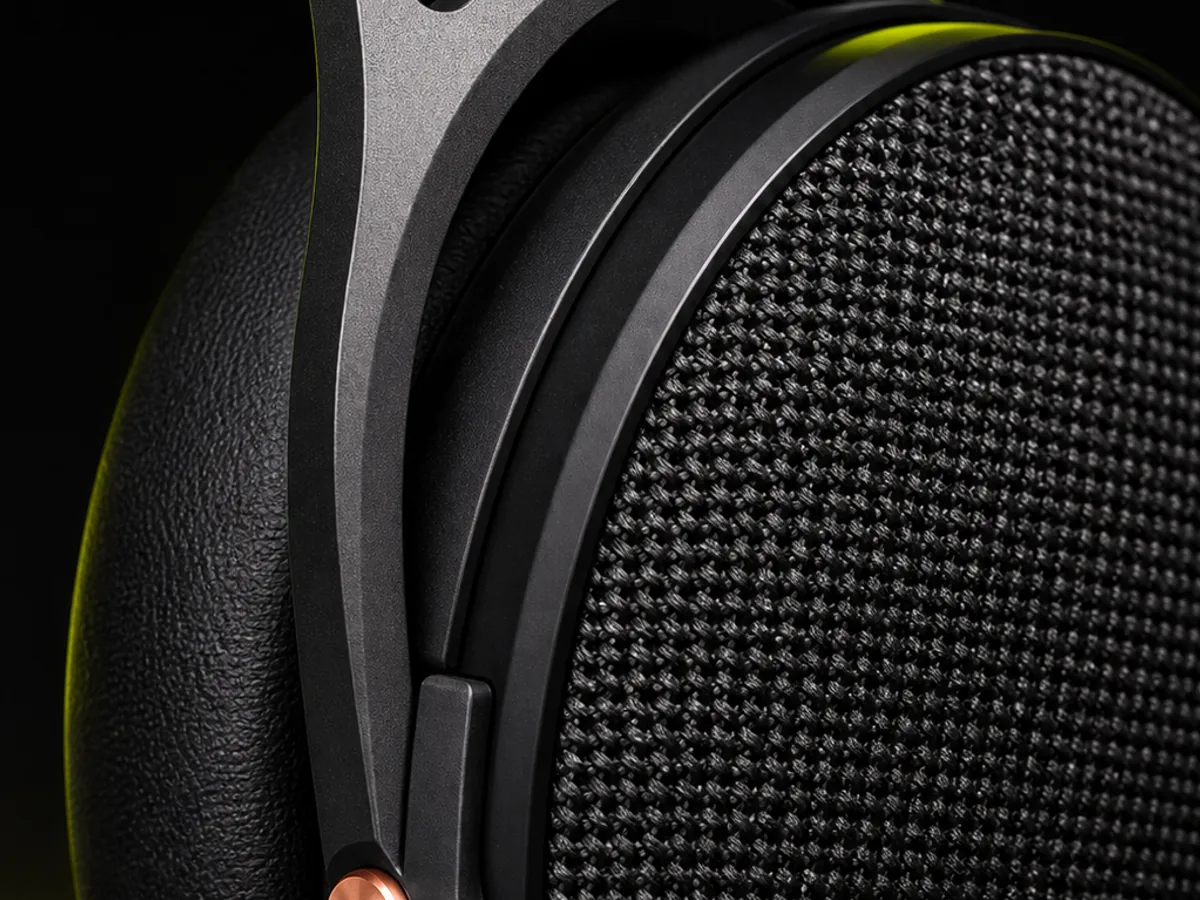
Four decisions / In order
Move from behavior to specification.
Start at Reference
Use the neutral profile for one familiar recording before moving width, bass, or transparency.
Set field width with spoken audio
A voice exposes unstable placement faster than a dense mix. Stop widening when the center becomes vague.
Set low-end weight quietly
If the bass remains legible at a low level, it is less likely to dominate during longer sessions.
Save one Outside variant
Build a separate aware profile instead of weakening the focused profile every time the room changes.
Keep the close call visible
Comparison, without the feature fog.
| Profile | Use it for | Listen for |
|---|---|---|
| Reference | Long sessions | Stable center and texture |
| Cinema | Narrative and games | Anchored dialogue and front depth |
| Outside | Movement | Directional context without collapse |
Before you leave
Two useful answers.
Should every genre have a profile?
No. Begin with behavior and environment. Genre-specific adjustments are most useful only after those remain stable.
Can profiles be reset?
Yes. The fictional ORA interface always keeps the factory Reference, Cinema, and Outside profiles available.